t
e
k
n
i
k
k
a
p
ı


Fire Door Regulations and Standards: What You Need to Know.

Fire safety must be considered from the design and construction stages of a building throughout its operational life. Fire doors are critical elements that help limit fire and smoke spread and protect evacuation routes. Their manufacture, testing, specification, installation and use are governed by regulations and standards. This article provides an overview of the principal requirements affecting fire doors in Turkey.
Fire Door Regulations in Turkey
The principal national regulation is the Regulation on Fire Protection of Buildings. It establishes fire safety requirements for buildings and includes provisions relevant to fire doors, escape routes and compartmentation. The required door location, opening direction, performance classification and hardware depend on factors such as building use, height, occupancy and the approved fire safety project.
European Standards: EN 1634 and EN 16034
Two frequently referenced European standards for fire doors are EN 1634 and EN 16034.
- EN 1634: This series covers fire-resistance and smoke-control tests for door, shutter and openable window assemblies and elements of building hardware. It is used to evaluate performance characteristics under defined test conditions.
- EN 16034: This product standard covers fire-resisting and/or smoke-control characteristics of pedestrian doorsets, industrial, commercial and garage doors, and openable windows. It sets requirements for declaring the relevant performance of products within its scope.
European standards may be adopted in Turkey as Turkish Standards through the Turkish Standards Institution (TSE). The applicable conformity route and documentation should be confirmed for the product, market and project concerned.
What to Check When Selecting a Fire Door
A fire door should meet the requirements of the approved project, applicable regulations and the scope of its test and classification evidence. Important considerations include:
- Fire-Resistance Rating: Select the required integrity and, where applicable, insulation rating for the building use and fire compartment.
- Smoke-Control Performance: Where smoke leakage control is required, confirm that the complete doorset has the appropriate smoke classification and compatible seals.
- Materials and Components: The leaf, frame, glazing, seals and hardware must match the tested or assessed configuration. Use documented, compatible components.
- Installation: Installation must follow the manufacturer's instructions, certification scope and project details. Incorrect dimensions, gaps, fixings or fire-stopping can compromise performance.
Fire Door Inspection and Maintenance
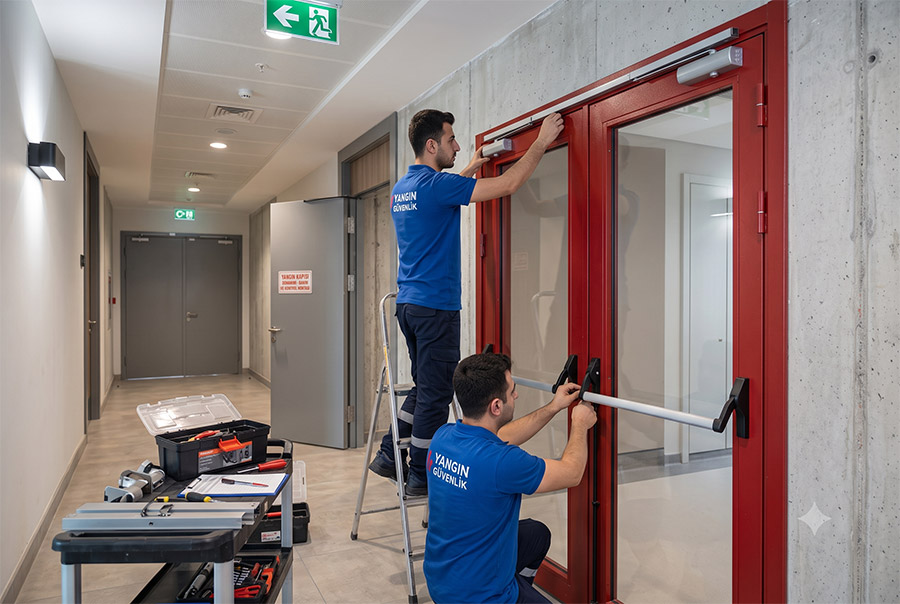
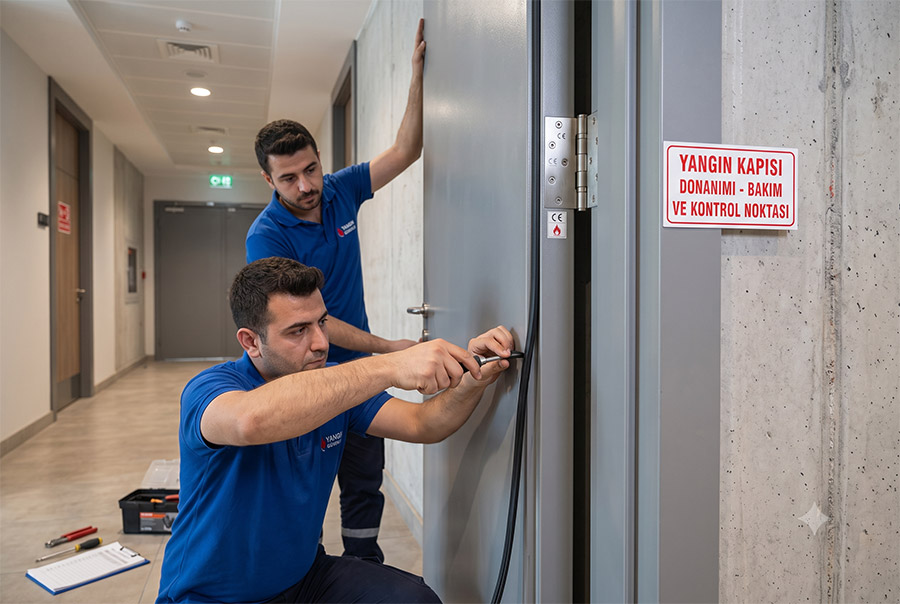
Regular inspection and maintenance are essential to keep a fire door operational. Typical checks include:
- Visual Condition: Inspect the leaf, frame, glazing, hinges, locks, latches and seals.
- Cleanliness: Keep the door and operating components free from debris and obstruction.
- Lubrication: Lubricate hardware only as recommended by the manufacturer.
- Seal Condition: Replace missing, damaged or incompatible seals.
- Self-Closing Operation: Confirm that the door closes completely and latches from the required opening positions.
Conclusion
Fire doors are essential to building fire safety. Their selection, installation and maintenance should be based on the approved fire strategy, current regulations and relevant test, classification and product documentation. Project-specific advice should always be obtained from qualified fire safety professionals.
Fire Door Prices in 2026: What Determines the Cost?
July 6, 2026