t
e
k
n
i
k
k
a
p
ı


Fire Door Trends: The Future of Building Fire Safety.
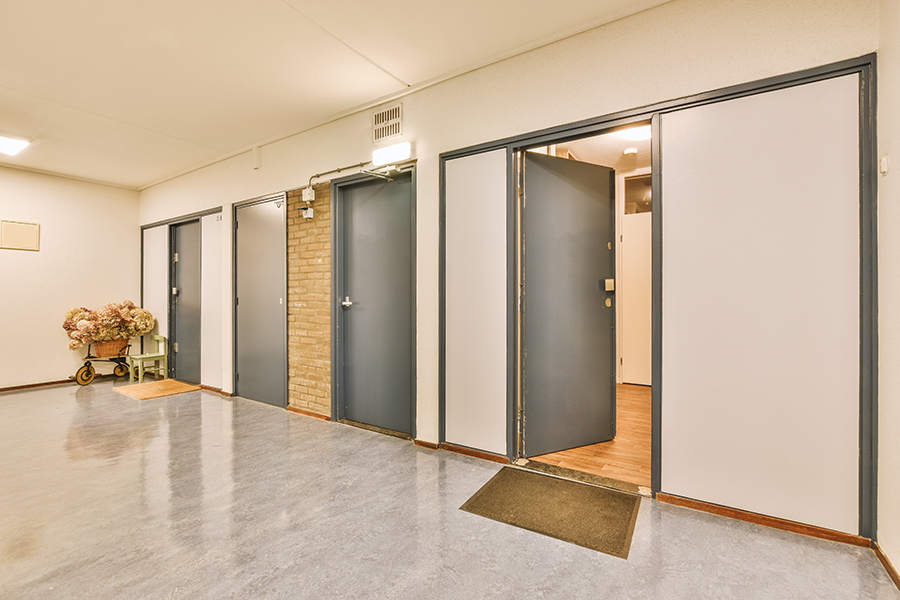
Fire safety is evolving as building technology advances. Fire doors are also becoming more connected, easier to monitor and better integrated with architectural and sustainability goals. This article reviews emerging fire door trends and the solutions likely to influence future buildings.
1. Connected Fire Doors: Integration and Automation
Door-status sensors, approved hold-open devices and building management integration can help facility teams monitor whether a fire door is open, closed or obstructed. When correctly designed, systems connected to fire detection can release doors to close during an alarm while preserving safe egress.
2. Access Control Without Compromising Escape
Electronic and biometric access control may manage entry through certain fire doors, but it must never prevent emergency escape where free egress is required. Fail-safe or otherwise approved arrangements, compatible exit hardware and coordination with the fire alarm strategy are essential.
3. Advanced Materials: Durability and Reduced Weight
Developments in insulation, composite cores, coatings and manufacturing may produce lighter and more durable doorsets. New materials must still be evaluated through appropriate fire-resistance, smoke-control, mechanical and durability testing before use.
4. Fire-Resistant Glazing: Safety and Transparency
Advances in fire-resistant glass and framing systems allow larger vision panels and more transparent fire compartments. These systems can improve daylight, visibility and wayfinding while delivering the declared integrity and insulation performance of the tested configuration.
5. Modular and Standardised Door Systems
Modular manufacturing can improve quality control, shorten installation time and simplify component replacement. Nevertheless, changes in dimensions, hardware or installation details must remain within the product's documented scope.
6. Sustainable Fire Doors
Manufacturers are increasingly focusing on recycled content, responsible sourcing, lower-impact coatings, energy-efficient production and longer product life. Environmental improvements must be achieved without weakening certified fire and smoke performance.
7. Digital Wayfinding and Emergency Information
Dynamic signage, illuminated guidance and building information systems may improve emergency communication around escape routes. Such technology should complement—not replace—compliant exit signs, emergency lighting and a robust evacuation plan.
8. Predictive Maintenance and Artificial Intelligence
Connected sensors and analytics can identify doors that are frequently propped open, fail to latch or require repeated adjustment. Predictive maintenance may help building managers prioritise inspections and repairs, while human verification by competent personnel remains essential.
Conclusion
The future of fire doors will be shaped by connected monitoring, safer access control, advanced materials, fire-resistant glazing, modular manufacturing, sustainability and predictive maintenance. The most valuable innovations will be those that improve day-to-day management while preserving verified fire performance and unrestricted emergency egress.
Fire Door Prices in 2026: What Determines the Cost?
July 6, 2026