t
e
k
n
i
k
k
a
p
ı


Fire Door Design: Combining Safety, Function and Aesthetics.
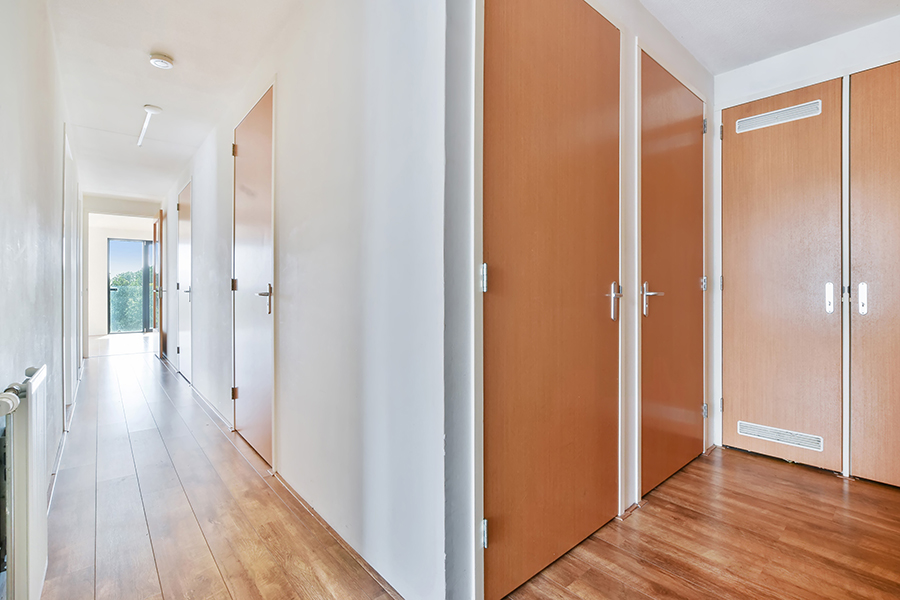
Fire doors are indispensable components of passive fire protection, but functionality does not have to exclude architectural quality. With the correct materials, finishes and certified options, fire doors can support both building safety and visual design. This article explores how to balance performance and aesthetics in fire door design.
Balancing Aesthetics and Fire Door Performance
The first priority of a fire door is its declared fire and, where required, smoke-control performance. Aesthetic choices must remain within the tested, classified or otherwise approved configuration. When this principle is respected, a doorset can be both safe and visually compatible with its surroundings.
Key Fire Door Design Considerations
- Material Selection: Steel, timber, fire-resistant glass and composite construction can provide different architectural effects. The complete doorset—not the surface material alone—must have suitable performance evidence.
- Colour and Texture: Powder-coated RAL colours, timber veneers and other documented finishes can help the door coordinate with interior or exterior design. Finishes must not damage seals, labels or moving parts.
- Handles and Hardware: Handles, hinges, locks, closers and panic devices affect both operation and appearance. They must be fire-rated or otherwise approved where required and compatible with the certified doorset.
- Glazed Panels: Fire-resistant glazing can provide visibility and natural light. Glass type, dimensions, position, beads and seals must remain within the relevant test or assessment scope.
- Custom Designs: Bespoke dimensions and visual details may be possible, but every variation should be checked against the supporting certification before manufacture.
Innovative Approaches to Fire Door Design
- Connected Fire Doors: Approved hold-open devices, access-control systems and status monitoring can integrate with fire alarm and building management systems without compromising emergency egress.
- Concealed or Flush Designs: Flush frames and coordinated wall finishes can create a more discreet appearance, provided all required gaps, seals, labels and hardware remain compliant and accessible.
- Sustainable Fire Doors: Responsible material sourcing, durable finishes, repairable components and verified environmental information can support sustainability goals alongside fire performance.
Professional Support for Fire Door Design
Fire door design requires coordination between architects, fire engineers, manufacturers and installers. Specialists can evaluate the fire strategy, opening dimensions, traffic, accessibility, hardware and finish requirements before recommending a suitable certified solution.
Conclusion
A well-designed fire door can combine reliable performance with architectural quality. The safest approach is to make aesthetic decisions within the documented scope of the doorset and to confirm every change to materials, glazing, dimensions and hardware with qualified professionals.
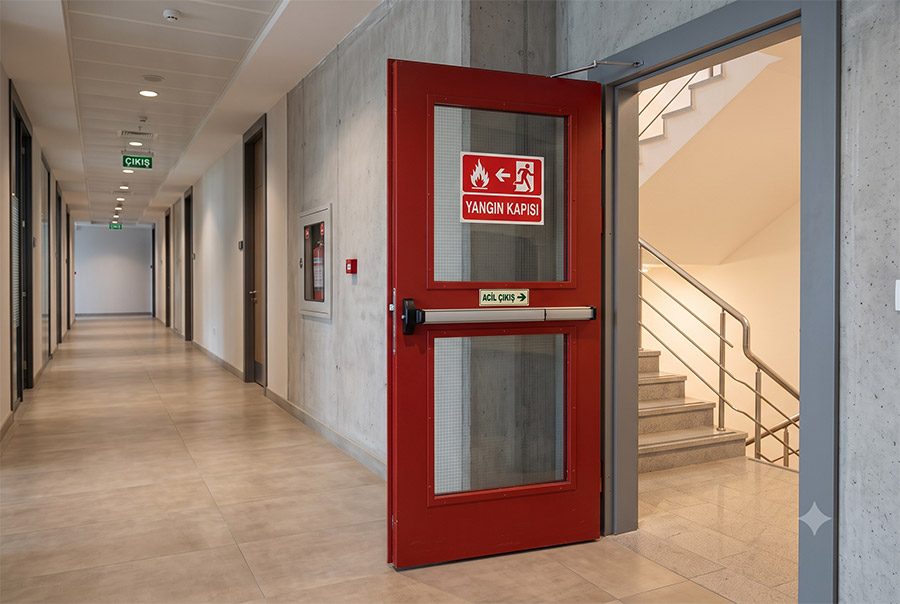
Fire Door Prices in 2026: What Determines the Cost?
July 6, 2026