t
e
k
n
i
k
k
a
p
ı


Fire Door FAQs: Answers to Common Questions.
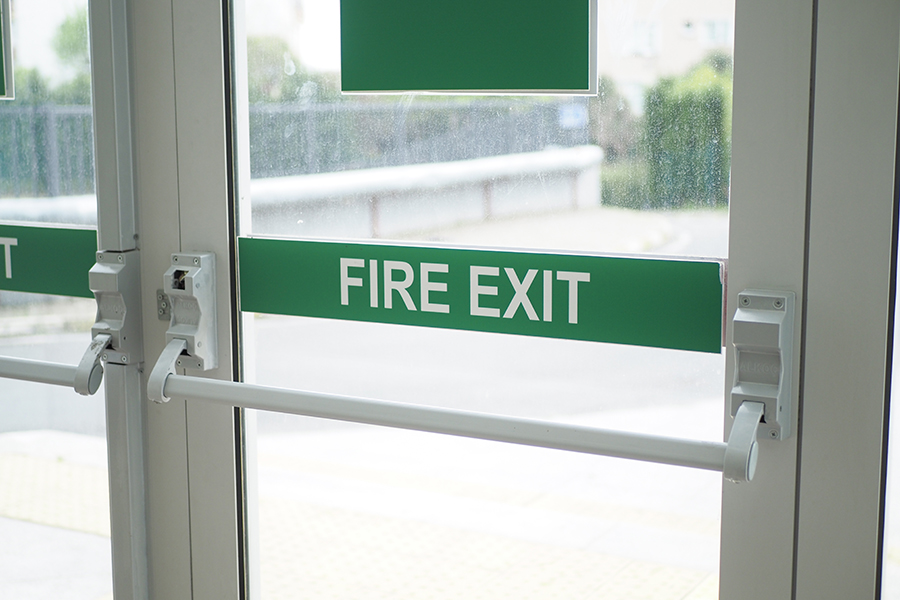
Fire doors are fundamental to passive fire protection, yet they often raise questions about ratings, materials, installation and maintenance. This FAQ answers some of the most common questions about fire-rated doors.
1. Why are fire doors required?
Fire doors help restrict the spread of fire and smoke, maintain compartmentation and protect escape routes. Whether and where they are required depends on Turkey's Regulation on Fire Protection of Buildings, the approved fire safety project and the characteristics of the building.
2. What materials are fire doors made from?
Certified fire doors may be manufactured from steel, timber, fire-resistant glass or composite materials. Selection depends on the required classification, building use, environmental conditions and architectural design. Performance applies to the complete tested or assessed doorset.
3. How many minutes of fire resistance should a fire door provide?
The required rating is determined by the building's fire strategy, compartmentation and applicable regulations. Common ratings include 30, 60, 90 and 120 minutes, but the relevant performance characteristics—such as integrity and insulation—must also be specified.
4. How is a fire door inspected?
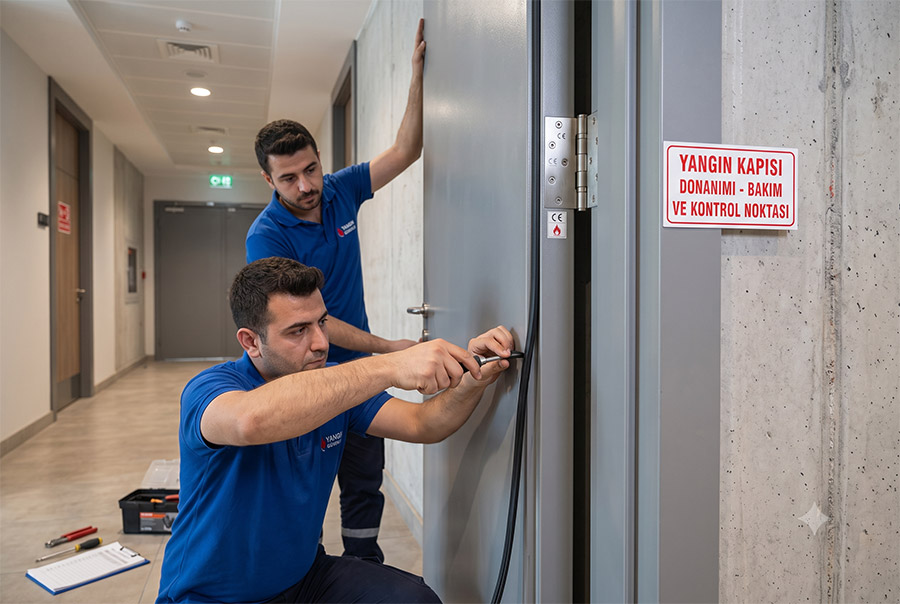
Check the leaf, frame, clearances, hinges, latch, lock, closer, panic hardware, seals, glazing and identification label. The door should close fully and latch without assistance. Inspections should be documented and significant defects assessed by a competent person.
5. How is a fire door installed?
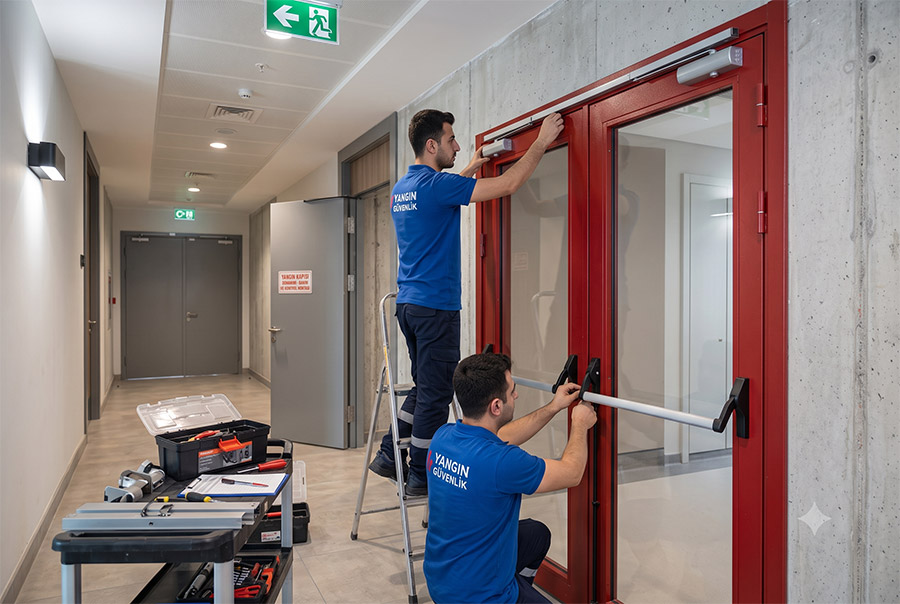
Installation must follow the manufacturer's instructions, the approved project and the scope of test or classification evidence. The opening, frame alignment, fixings, clearances, seals, hardware and perimeter fire-stopping all affect performance, so installation should be completed by competent specialists.
6. What affects fire door prices?
Prices vary according to dimensions, material, performance classification, frame type, glazing, finish, panic hardware, locks, access-control requirements and installation conditions.
7. What is a fire door certificate?
Fire door documentation may include test reports, classification reports, product certificates and declarations relevant to the applicable standards. Always verify that the documentation covers the supplied dimensions, leaf configuration, frame, glazing and hardware—not merely a similar product.
8. Who should maintain a fire door?
Routine checks may form part of the building's fire safety management programme. Adjustments, repairs and replacement of performance-critical components should be undertaken by competent fire door professionals or authorised service personnel.
9. Why will a fire door not close?
Possible causes include hinge wear, closer failure, frame distortion, incorrect clearances, damaged seals, floor contact, lock or latch faults and installation defects. The cause should be investigated and corrected promptly.
10. Which direction should a fire exit door open?
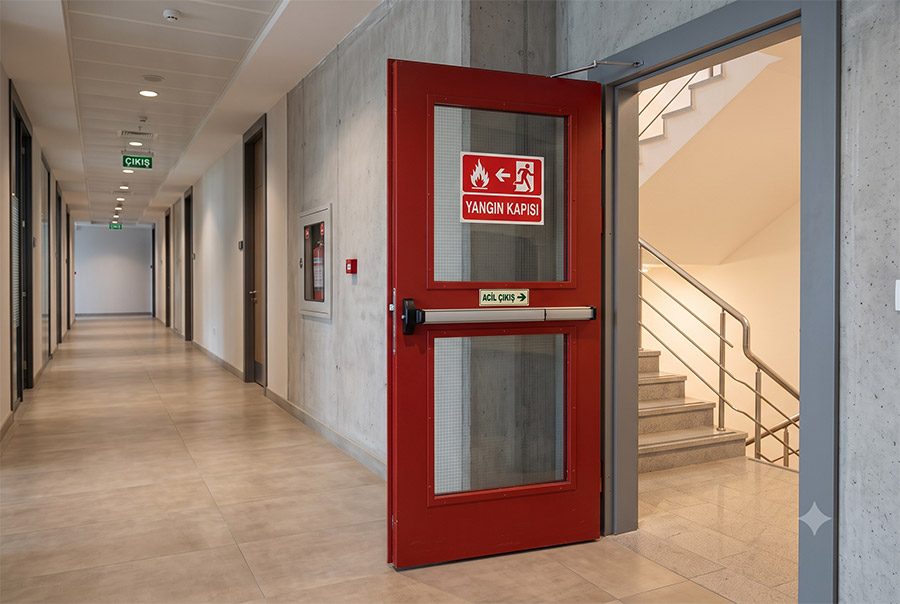
The required opening direction depends on the approved escape design and applicable regulations. Doors serving escape routes commonly open in the direction of travel, particularly where occupancy and risk thresholds require it.
For project-specific fire door selection, certification, installation or maintenance advice, consult a qualified fire safety professional.
Fire Door Prices in 2026: What Determines the Cost?
July 6, 2026