t
e
k
n
i
k
k
a
p
ı


How to Choose a Fire Door: Key Factors to Consider.
A fire can start without warning and cause serious loss of life and property. In such emergencies, fire doors play a vital role by limiting the spread of fire and supporting safe evacuation. Choosing the correct fire-rated door and having it installed properly are just as important as the door itself. This guide explains the main factors to consider when selecting a fire door.
1. The Purpose and Importance of Fire Doors
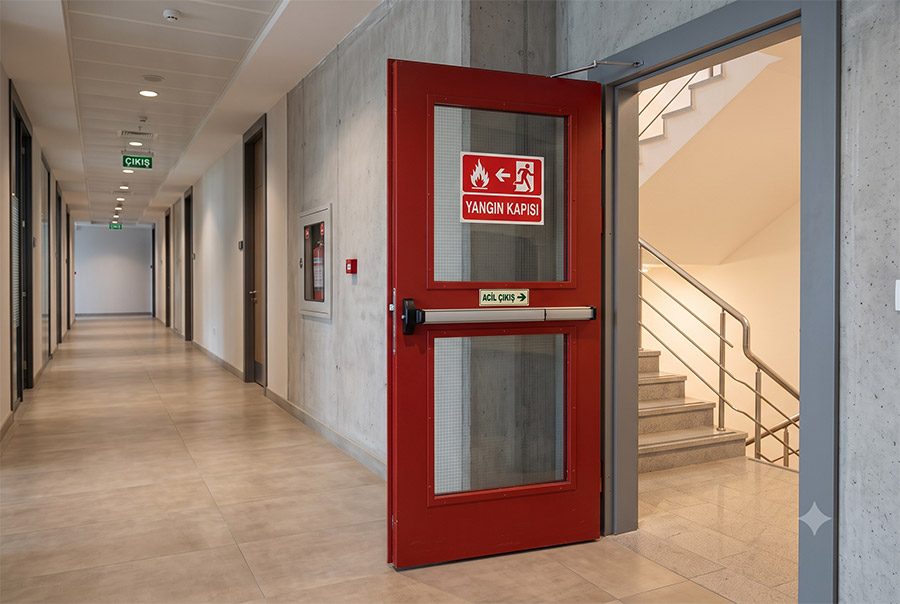
Fire doors are designed to contain fire and smoke for a specified period, helping occupants evacuate safely. They are installed at designated locations in accordance with the building's fire safety strategy and applicable regulations. By maintaining fire compartmentation, these doors help prevent fire from spreading into adjacent areas and protect escape routes.
2. What to Consider When Choosing a Fire Door
- Certification and Standards: A fire door should have appropriate test evidence, classification and certification for its intended configuration. Commonly referenced standards include TS EN 1634 and EN 16034. These cover areas such as fire-resistance testing, smoke-control performance and product requirements. Confirm that the complete doorset—not only an individual component—is suitable for the intended application.
- Fire-Resistance Rating: The fire-resistance rating indicates how long the tested door configuration can maintain its declared performance. The required rating depends on the building's use, fire risk and approved fire safety design. Fire doors are commonly available with ratings such as 30, 60, 90 or 120 minutes. Select a rating that meets the requirements of the relevant project and regulations.
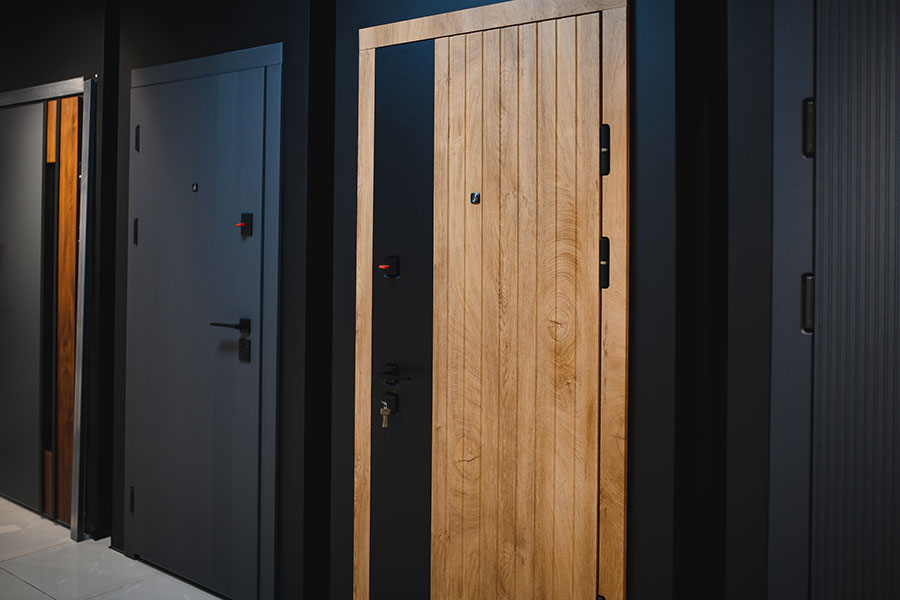
- Material Quality: Door construction affects durability and fire performance. Fire doors may be manufactured from steel, timber, glass or composite materials. Steel fire doors are widely preferred for their durability and availability in higher fire-resistance ratings, while certified timber doors may be selected where architectural appearance is important.
- Opening Hardware and Locking System: The hinges, latch, lock and emergency exit hardware must allow the door to operate correctly. On escape routes, occupants must be able to open the door quickly in an emergency. Choose compatible, fire-rated hardware and panic or emergency exit devices appropriate to the building's use.
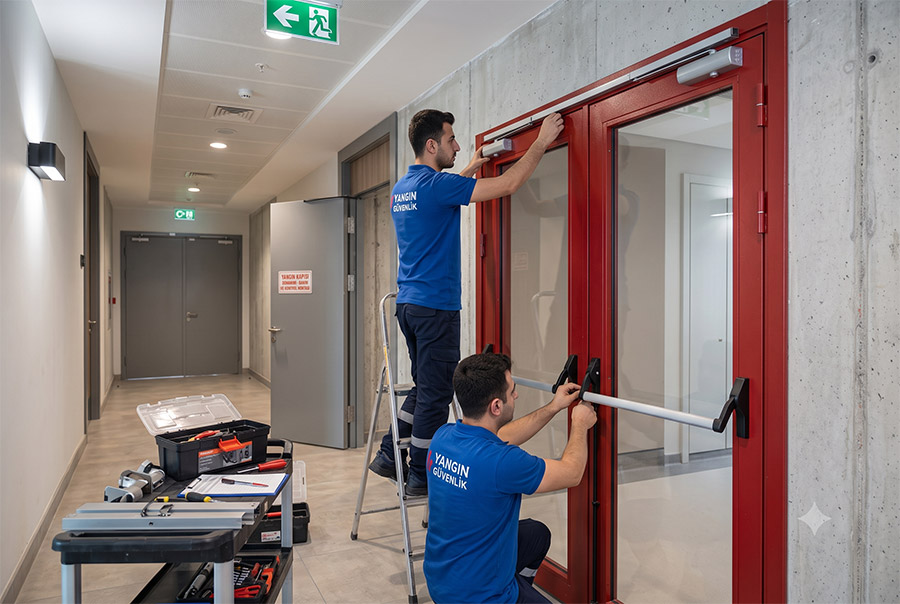
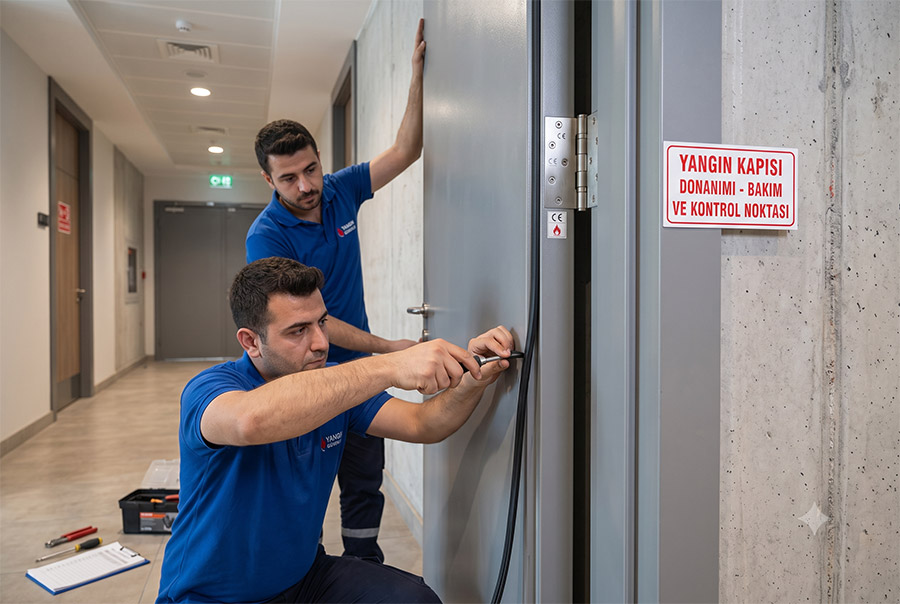
- Installation and Maintenance: Correct installation is essential to the performance of a fire doorset. Installation should be completed by competent personnel in accordance with the manufacturer's instructions and certification scope. The door, frame, hardware, seals and closing mechanism should also be inspected and maintained regularly.
3. Professional Support for Fire Door Selection
Selecting a fire door requires technical knowledge. A competent specialist can evaluate the building, opening dimensions, fire risk, escape route requirements and intended use before recommending an appropriate certified doorset. Professional installation also helps ensure that the installed door matches the tested configuration and operates correctly.
Conclusion
Fire doors are critical to protecting lives, property and escape routes. When choosing and installing a fire-rated door, consider its certification, performance rating, construction, hardware and installation requirements. For project-specific decisions, always seek advice from qualified fire safety and door specialists.
Fire Door Prices in 2026: What Determines the Cost?
July 6, 2026