t
e
k
n
i
k
k
a
p
ı


Types of Fire Doors and Their Key Features.
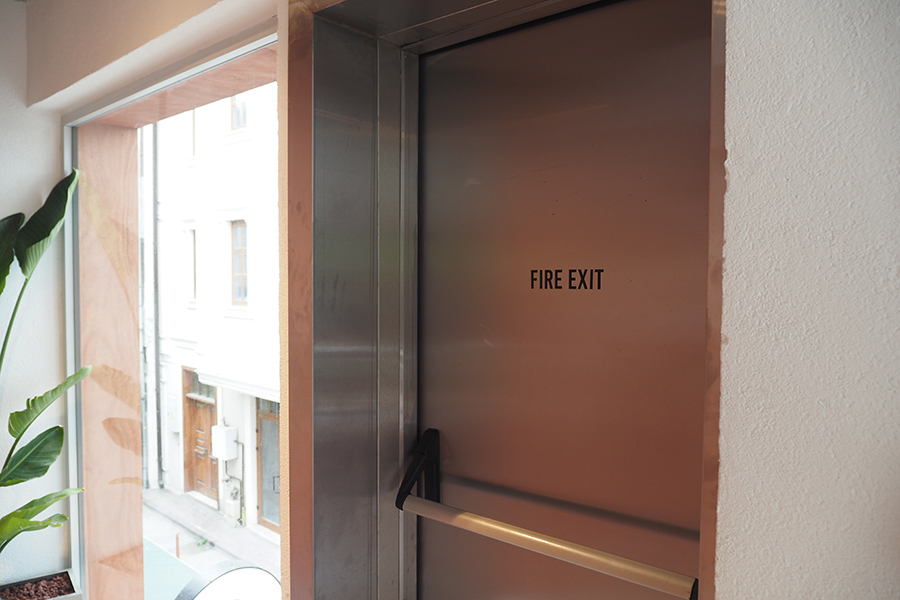
Fire doors are an essential part of a building's passive fire protection system. They help limit the spread of fire and smoke and protect escape routes. Different materials, configurations and performance ratings are available for different applications. This guide reviews the most common fire door types and the features to consider when selecting a doorset.
Types of Fire Doors
Fire doors can be grouped according to their construction, tested performance and intended use. Common types include:
- Steel Fire Doors: Steel doorsets are widely used because they are robust, durable and available in a range of tested fire-resistance ratings, including configurations rated for 60, 90 or 120 minutes. They are commonly specified for industrial facilities, high-rise buildings, plant rooms and shopping centres.
- Timber Fire Doors: Certified timber fire doors may be selected where architectural appearance is important. Depending on their tested construction, they are often available with ratings such as 30 or 60 minutes. Typical applications include offices, schools, hotels and residential buildings.
- Glazed Fire Doors: Fire-rated glazed doors combine visibility and natural light with tested fire performance. Their classification depends on the glass, framing system, dimensions, beads, seals and complete doorset configuration. They are frequently used in offices, hotels, healthcare buildings and shopping centres.
- Composite Fire Doors: Composite doors combine materials such as steel, timber, mineral cores and fire-resistant boards. Their performance depends on the complete tested or assessed assembly, allowing different solutions for architectural and operational requirements.
Key Fire Door Features
Important selection criteria include:
- Fire-Resistance Classification: This states the period for which a tested configuration maintains characteristics such as integrity and, where required, thermal insulation.
- Smoke Control: Where smoke leakage is a concern, choose a doorset with the required smoke-control classification and compatible seals.
- Thermal Insulation: Insulation performance limits temperature rise on the unexposed side and may be required to protect escape routes or adjacent spaces.
- Acoustic Performance: Some fire doorsets can also provide tested sound reduction, which may be useful in offices, hotels and residential projects.
- Architectural Finish: Fire doors are available in different colours, finishes, materials and glazing layouts, provided the selected options remain within the documented configuration.
How to Select the Right Fire Door
Consider the following factors:
- Building Fire Risk: The required performance must be determined by the fire strategy, compartment design and applicable regulations.
- Building Use: Offices may prioritise smoke control and acoustic performance, while industrial facilities may require robust construction and higher fire-resistance ratings.
- Budget and Whole-Life Cost: Compare not only the purchase price but also installation, inspection, maintenance and expected service life.
- Regulations and Standards: Verify that the complete doorset, dimensions, glazing and hardware are supported by relevant documentation for the intended application.
Conclusion
Choosing a fire door is a safety-critical decision. By matching the doorset's material, classification, smoke performance, hardware and dimensions to the building's requirements, you can strengthen passive fire protection and provide safer evacuation routes. Always consult qualified professionals for project-specific selection.
Fire Door Prices in 2026: What Determines the Cost?
July 6, 2026