t
e
k
n
i
k
k
a
p
ı


Common Myths and Facts About Fire Doors.

Fire doors are among the most important elements of a building's passive fire protection system. Although they are designed to help protect lives and property, many misconceptions still surround their purpose and operation. This article examines common fire door myths and explains the facts.
1. Myth: Fire doors are only required in large buildings.
Fact: Fire doors may be required in many types of buildings, not only large ones. Homes, workplaces, schools, hospitals and industrial facilities all present different fire risks. Where required by the approved fire safety design and applicable regulations, fire doors help contain fire and smoke and protect evacuation routes. Requirements must be determined for each building individually.
2. Myth: Fire doors are always extremely expensive.
Fact: The cost of a fire door varies according to its material, size, performance rating, hardware and installation requirements. A compliant, durable doorset is a long-term safety investment. Proper use and routine maintenance can extend its service life, while its role in limiting fire and smoke spread can be invaluable during an emergency.
3. Myth: Fire doors must always be kept closed.
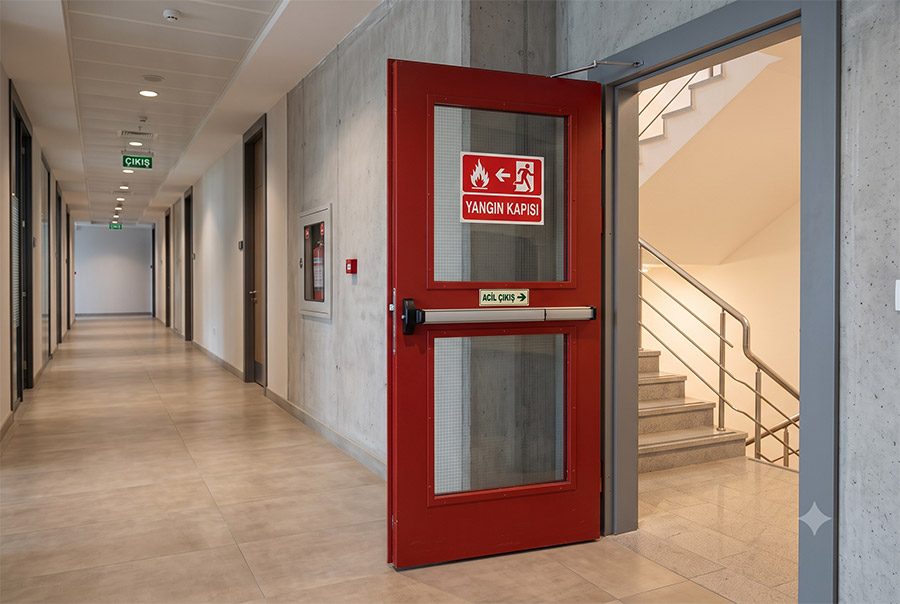
Fact: A fire door must be able to close fully when required. Some fire doors may be held open only by an approved hold-open device connected to the fire alarm or detection system. When fire or smoke is detected, the device must release the door so that its self-closing mechanism can close it. Fire doors must never be wedged or propped open with unauthorised objects.
4. Myth: Fire doors do not require maintenance.
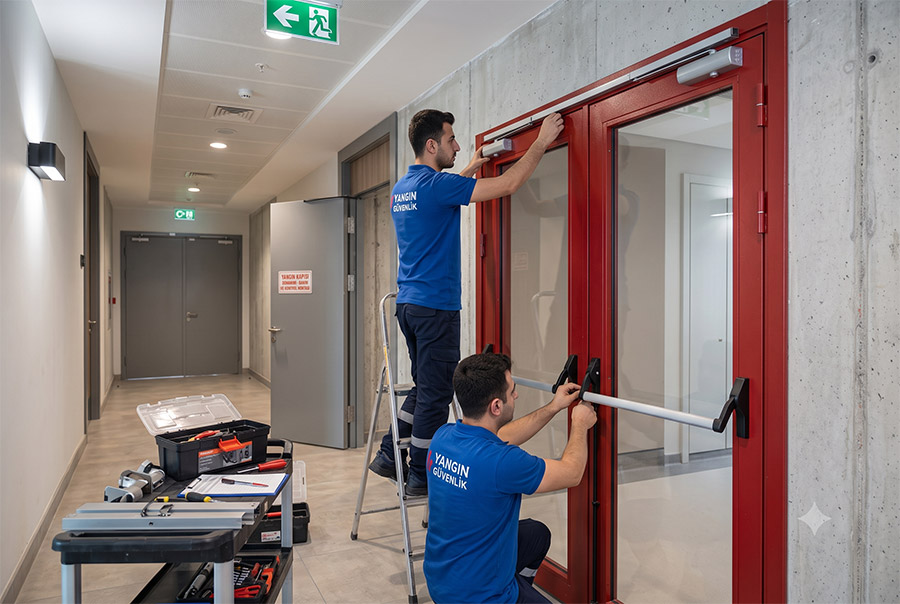
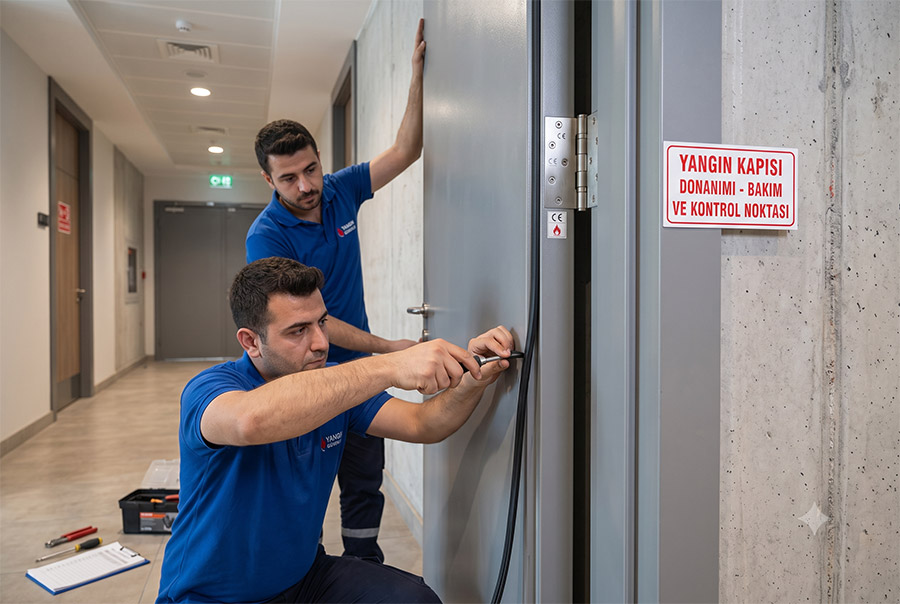
Fact: Regular inspection and maintenance are essential. Hinges, locks, latches, panic hardware, seals, glazing and door closers should be checked for damage, wear and correct operation. Periodic inspections should be carried out in line with applicable requirements, and any defects should be corrected promptly.
5. Myth: Fire doors only stop flames.
Fact: Depending on their tested and classified performance, fire doors can limit the spread of fire and may also restrict smoke leakage. Smoke can be as dangerous as flames because it reduces visibility and can cause poisoning or asphyxiation. Where smoke control is required, the doorset must include suitable smoke seals and have the relevant performance classification.
6. Myth: Fire doors should be difficult to open.
Fact: Fire doors must close reliably, but doors on escape routes must also permit safe and prompt egress. Appropriate panic or emergency exit hardware allows occupants to release the door with a simple action. The hardware must suit the building's occupancy and remain compatible with the certified doorset.
Conclusion
Accurate information about fire doors is essential for protecting lives and property. Understanding how certified doorsets, self-closing devices, smoke seals and exit hardware work makes it easier to maintain an effective fire safety strategy. Professional advice and regular maintenance remain two of the most important steps in keeping fire doors ready for an emergency.
Fire Door Prices in 2026: What Determines the Cost?
July 6, 2026